Last Updated on January 22, 2026 by Laurinda Jocias
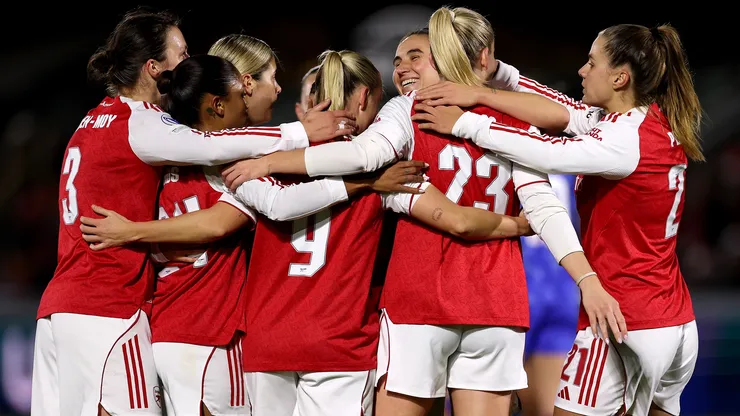
Arsenal Women have officially been ranked as the highest-earning club in world football for 2025. Following their historic Champions League triumph, the Gunners have seen a staggering 43% increase in revenue, cementing their status as the sport’s commercial leaders.
The Match Day Revolution
A key driver behind Arsenal’s financial surge has been their ability to monetize match days. Out of their total revenue of approximately £25 million (€29m), nearly 28% roughly £7 million comes directly from ticket sales and stadium activities. This success highlights the club’s effective strategy of hosting marquee matches at the Emirates Stadium to meet soaring demand.
The top 15 clubs globally accumulated a combined revenue of €159 million in 2025, a 35% increase compared to the previous year. Remarkably, nearly half of this total (46%) is generated by the top three clubs: Arsenal, Chelsea, and Barcelona.
2025/26 Season: High Revenue, On-Field Challenges
Despite their financial dominance, the 2025/26 season has been a test of resilience for Jonas Eidevall’s side.
- WSL Standings: Arsenal currently sit in 3rd place with 23 points, trailing leaders Manchester City by 10 points.
- Champions League: As defending champions, the Gunners finished 5th in the League Phase. While they missed out on direct quarter-final qualification, they remain the team to beat in the upcoming playoffs.
Top 10 Women’s Football Revenue Ranking (2025)
The list is dominated by the Women’s Super League (WSL), which accounts for seven of the top ten spots, showcasing the financial might of the English top flight.
| Rank | Club | Revenue (Approx. EUR) |
| 1 | Arsenal | €25.8m |
| 2 | Chelsea | €25.6m |
| 3 | Barcelona | €22.1m |
| 4 | Manchester City | €13.0m |
| 5 | Manchester United | €12.9m |
| 6 | Real Madrid | €12.4m |
| 7 | Aston Villa | €8.1m |
| 8 | Liverpool | €7.3m |
| 9 | Bayern Munich | €7.2m |
| 10 | Tottenham | €5.2m |

Laurinda Jocias is a football writer covering English women’s football, including the Women’s Super League. Her work focuses on players, clubs, and the continued development of the women’s game in the UK.