Last Updated on February 25, 2026 by Filepe
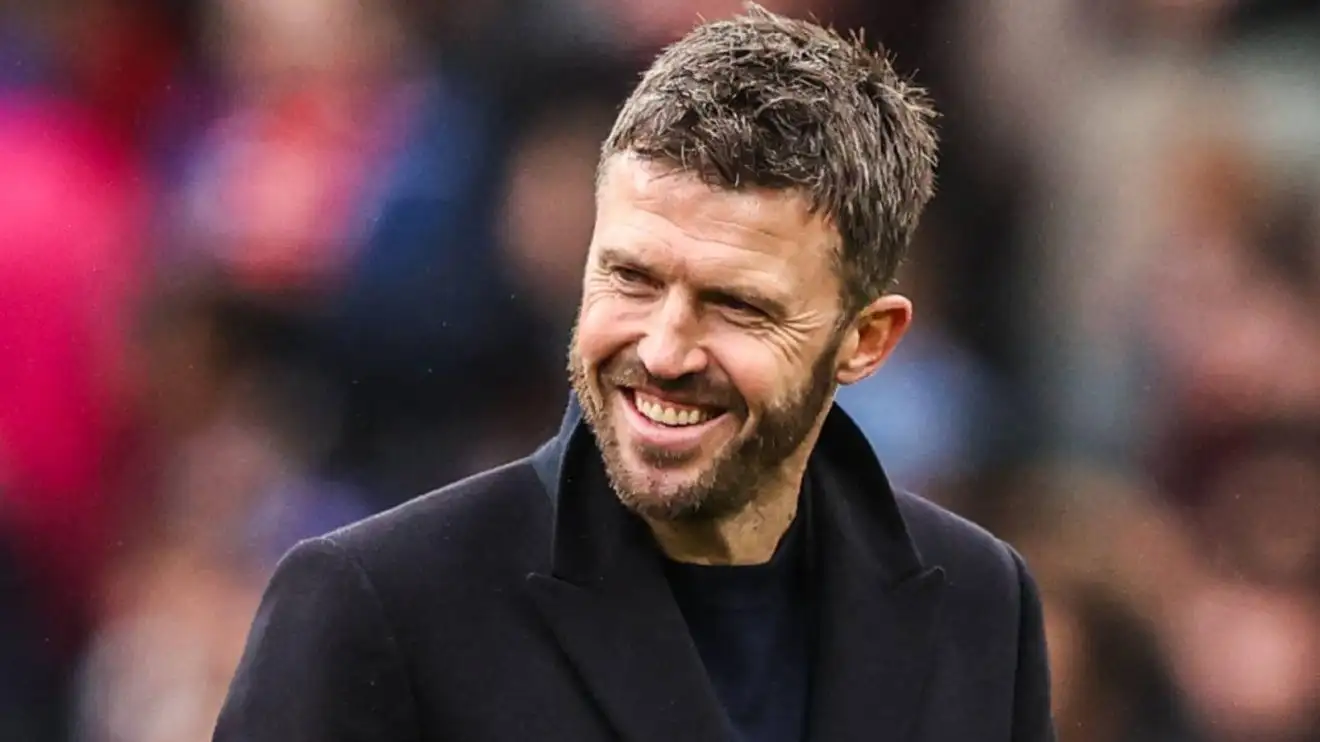
Manchester United have handed Head Coach Michael Carrick a major boost ahead of the summer transfer window. The club’s latest financial results for the second quarter of fiscal 2026 reveal a significant swing back into the black, recording an operating profit of £32.6 million for the first half of the year.
This marks a massive turnaround from the £3.9m loss reported in the same period last year. Here is the breakdown of what these numbers mean for United’s recruitment plans and the club’s “football first” transformation under INEOS.
1. Cost-Cutting Fuels Profitability
The primary driver behind the profit isn’t increased sales, but leaner operations. Following Sir Jim Ratcliffe’s restructuring, employee benefit expenses dropped by 9% to £75.1 million. By streamlining off-pitch staff and reducing overheads, United have protected their bottom line even without the lucrative revenue from UEFA competitions this season.
2. The Sponsorship “Black Hole”
While the profit is good news, there are red flags in the commercial department:
- Tezos Departure: Commercial revenue fell by 7.8% (£78.5m) after the training kit deal with Tezos expired.
- DXC Warning: With the DXC sleeve sponsorship also nearing its end, United face a potential £44m gap in sponsorship income unless new deals are signed before the 2026/27 season.
3. Stability in Broadcasting
Broadcasting revenue remained steady at £62.3m. This was bolstered by the Premier League’s rising international rights value and United’s strong league form. Currently sitting 4th in the Premier League, the “Carrick effect” is paying off; a higher league finish directly increases the merit payment from the Premier League, offsetting the lack of European TV money.
4. PSR Compliance and Summer Spending
The club reiterated its full-year guidance, projecting revenues between £640m and £660m. Crucially for fans, the absence of “exceptional items” (like the heavy compensation paid to former coaching staff last year) means United are in a much stronger position regarding Premier League Profit and Sustainability Regulations (PSR).
With several high-earning contracts set to expire this June, the combined operating profit and wage-bill reduction should provide a “summer transfer boost,” allowing the club to pursue key targets to support Carrick’s squad depth.
CEO Omar Berrada stated: “We are now seeing the positive financial impact of our off-pitch transformation materialise… we continue to take a football-first approach.”

Filepe Junior is a football writer tracking La Liga transfers, covering major signings, squad planning, and player movements across Spanish clubs.