Last Updated on January 8, 2026 by Siara Costa

Rúben Amorim’s short-lived spell at Manchester United ended amid growing internal tension, largely fueled by the club’s refusal to approve his preferred signings. The Portuguese coach had outlined a clear recruitment plan centered on players he trusted from Sporting CP, but the board chose a different direction a decision that ultimately proved decisive in his dismissal.
Amorim’s Vision Collides With United’s Strategy
Upon arriving at Old Trafford, Amorim presented a focused list of reinforcements tailored to his tactical model. Confident after his successful stint in Portugal, he expected early backing from the club hierarchy.
Instead, United’s executives prioritized financial caution and long-term market flexibility, rejecting the coach’s proposals during the early stages of the transfer window. The lack of support reportedly surprised Amorim and quickly eroded confidence between both parties.
Behind the scenes, the Portuguese manager realized that selling his ideas internally would be almost as challenging as delivering immediate results on the pitch.
The Four Sporting Targets United Refused to Sign
At the center of the dispute were four Sporting players personally requested by Amorim:
- Morten Hjulmand – A Danish midfielder known for positional discipline and leadership
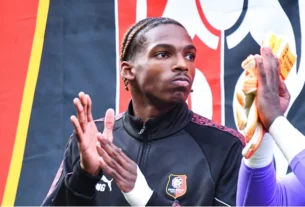
- Ousmane Diomande – An Ivorian center-back valued for aerial dominance and pace
- Geovany Quenda – A young winger seen as a high-upside attacking option
- Salvador Blopa – Another wide player identified as a long-term project
From Amorim’s perspective, the signings addressed clear weaknesses. Hjulmand would stabilize midfield transitions, Diomande would strengthen a back three, while Quenda and Blopa would add depth and intensity out wide.
United’s board, however, viewed the investments as high-risk. Executives favored players with Premier League experience or lower-cost alternatives, leading to a fundamental clash in recruitment philosophy.
Public Friction and the Final Breaking Point
Tensions escalated following a disappointing draw against Leeds, when Amorim openly criticized the club’s recruitment approach during a post-match press conference. His remarks reportedly caused discomfort within the boardroom and accelerated internal discussions about his future.
Less than 24 hours later, Manchester United officially ended Amorim’s tenure just 14 months after his appointment.

Siara Costa is a football editor and writer covering both European men’s and women’s football, with a focus on league competitions, match coverage, and in-depth storytelling.