Last Updated on February 20, 2026 by Miguel Manjate
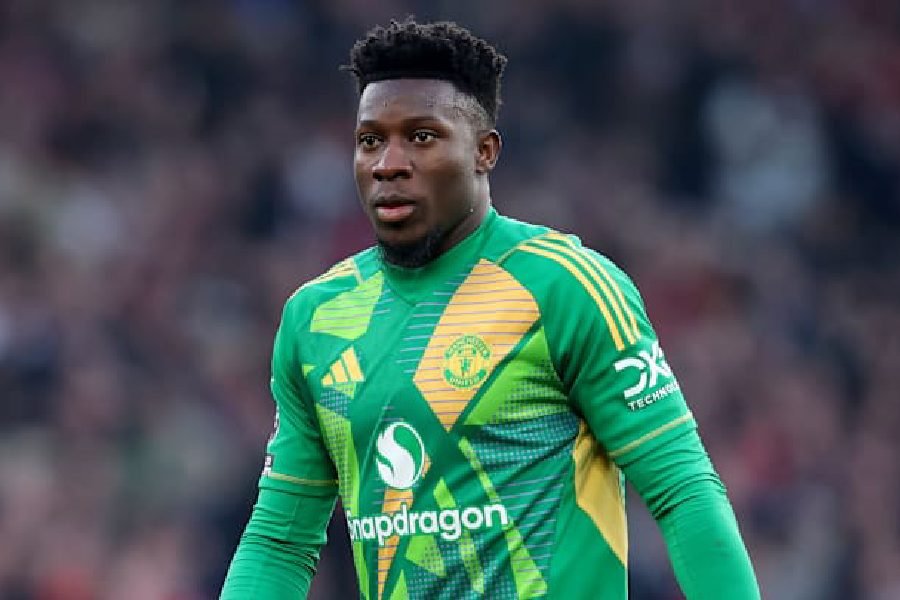
Manchester United’s decision to green-light Andre Onana’s move to Trabzonspor raised eyebrows in September, but Ruben Amorim’s “ruthless succession plan” is already silencing critics. Following the August horror show in Grimsby, the Portuguese manager made a definitive call: the era of the ‘ball-playing’ liability is over, and the reign of Senne Lammens has begun.
The Stats: Why Lammens is Outperforming Onana
While Onana’s departure was abrupt, the data suggests United have finally found the defensive stability that Erik ten Hag’s philosophy lacked. Comparing Lammens’ first 20 Premier League games to Onana’s 2024/25 campaign reveals a stark tactical shift.
- Aerial Dominance: Lammens has won 54.4% of aerial duels, significantly higher than Onana’s 47.5%.
- Goal Prevention: Despite a lower save percentage, Lammens boasts a PSxG-GA rating of 59.9 (Post-shot expected goals minus goals allowed).
- Direct Approach: In a major departure from Ten Hag’s “build from the back” mandate, Lammens only plays 16% short passes, favoring a direct route that has made the United backline feel “calmer.”
“The proof is in the pudding. United look more assured with Lammens in goal; the centre-backs finally have a keeper they can trust in the air.”
A Departure from the Ten Hag Era
The signing of Lammens from Royal Antwerp for a reported fee was a clear signal of intent. Under Amorim, the focus has shifted from having a goalkeeper who is “good with his feet” to one who actually keeps the ball out of the net.
While supporters were quick to compare the 23-year-old Belgian to the legendary Peter Schmeichel, the numbers suggest he is simply a more “traditional” and reliable fit for the Premier League’s physical demands.

Miguel Manjate is a football journalist and editor covering the Premier League, European competitions, and transfer news, with a strong focus on match analysis and data-driven reporting.